





Features
SRP Multiproject Center Grants - Research Across Disciplines
The NIEHS Superfund Research Program (SRP) Progress in Research Webinar series featured the latest updates from six multiproject centers funded by SRP in 2025. Awardees are researching a range of contaminants, including polycyclic aromatic hydrocarbons (PAHs), PFAS, and heavy metals, to glean insights into the mechanisms that influence how these chemicals affect human health. These centers rely on integrated, multidisciplinary research and collaborations with scientists and communities to complete projects that focus on prevention, intervention, and remediation strategies to protect human and environmental health from Superfund-relevant contaminants.
Oregon State University
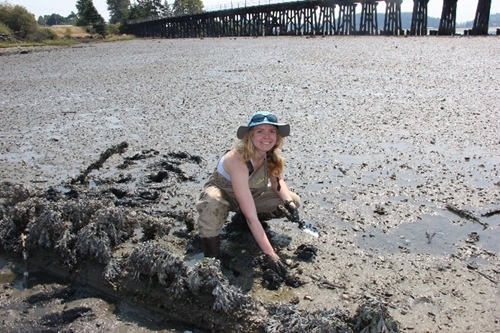
The Oregon State University (OSU) SRP Center is studying PAHs, a group of chemicals that form after burning oil, coal, or gas. The OSU SRP Center aims to discover how PAHs are created and move in the environment, characterize and predict the toxicity of PAHs individually and in mixtures, and investigate the effects of PAHs on human health. For example, a team led by Susan Tilton, Ph.D., built a 3D human lung model to help them better understand how inhaled chemicals may harm respiratory health. Another team, led by Center Director Robyn Tanguay, Ph.D., is conducting studies using zebrafish to reveal how PAHs may cause cancer, with the goal of informing interventions to prevent disease.
OSU SRP researchers are also developing methods to remediate PAHs in the environment. A team led by Lewis Semprini, Ph.D., found that a type of bacteria can oxidize PAHs in water, transforming them into non-toxic chemicals. Semprini immobilized the bacteria in hydrogel beads along with a surfactant to help the bacteria remediate PAHs more effectively, allowing the bacteria to almost completely oxidize the PAHs. However, after exposing zebrafish larvae to the oxidized PAHs, the research team found that toxicity of the oxidized PAHs increased slightly compared to the original PAHs, indicating that additional work needs to be done to reduce this post-remediation toxicity.
Additionally, the researchers at the center use computational methods like machine learning algorithms to identify PAHs. Led by Jordan Smith, Ph.D., the Predictive Metabolism and Dosimetry Core measures rates of PAH metabolism and predicts properties of PAHs and their metabolites. The researchers then develop dosimetry models across zebrafish, lung cell cultures, and humans, which allow scientists to measure PAH metabolite concentrations in cells to predict the internal concentrations of certain PAHs. They also used computational models to investigate the toxicity of PAHs and their breakdown products, which revealed that some remediation methods, such as steam enhanced extraction remediation of PAH-contaminated soil, actually create slightly more toxic PAH breakdown products. According to Smith, this highlights the need for scientists to monitor and take into account these toxic breakdown products when remediating soils.
The center also collaborates with the Swinomish Indian Tribal Community and other Coast Salish Indigenous communities to characterize exposure to PAHs in their diet and air. Together, they aim to launch strategies to prevent harmful exposures, including guidelines for risk assessments that incorporate Indigenous exposure scenarios and exposure routes.
University of North Carolina at Chapel Hill
Groundwater in many areas of North Carolina naturally contains high levels of arsenic, a toxic metal. Long-term exposure to arsenic has been linked to negative health outcomes such as diabetes, heart disease, and skin, lung, kidney, and liver cancers. To help protect communities from harmful exposures, researchers at the University of North Carolina at Chapel Hill (UNC) SRP Center aim to uncover what factors influence the development of diabetes after arsenic exposure, map what areas of North Carolina may have the highest levels of arsenic in well water, and develop water filters to reduce exposure.
A team led by Fernando Pardo-Manuel, Ph.D., uses mice with a genetic modification to metabolize arsenic like humans to explore the interaction between obesity, arsenic exposure, and the development of Type 2 diabetes. However, they discovered that mouse-based research may have an issue with genetic rigor, or major variations between genetic makeup expectations and actual genetic makeup of mice. This may cause inconsistencies from study to study and dilute research findings. Center researchers developed the Mutant Mouse Resource and Resource Centers Genetic Quality Control (GQC) reporting system, which serves as a repository for researchers to verify the genetic accuracy of mice models and share results with other researchers. Scientists can also order verified mouse models for their projects to ensure genetic rigor.
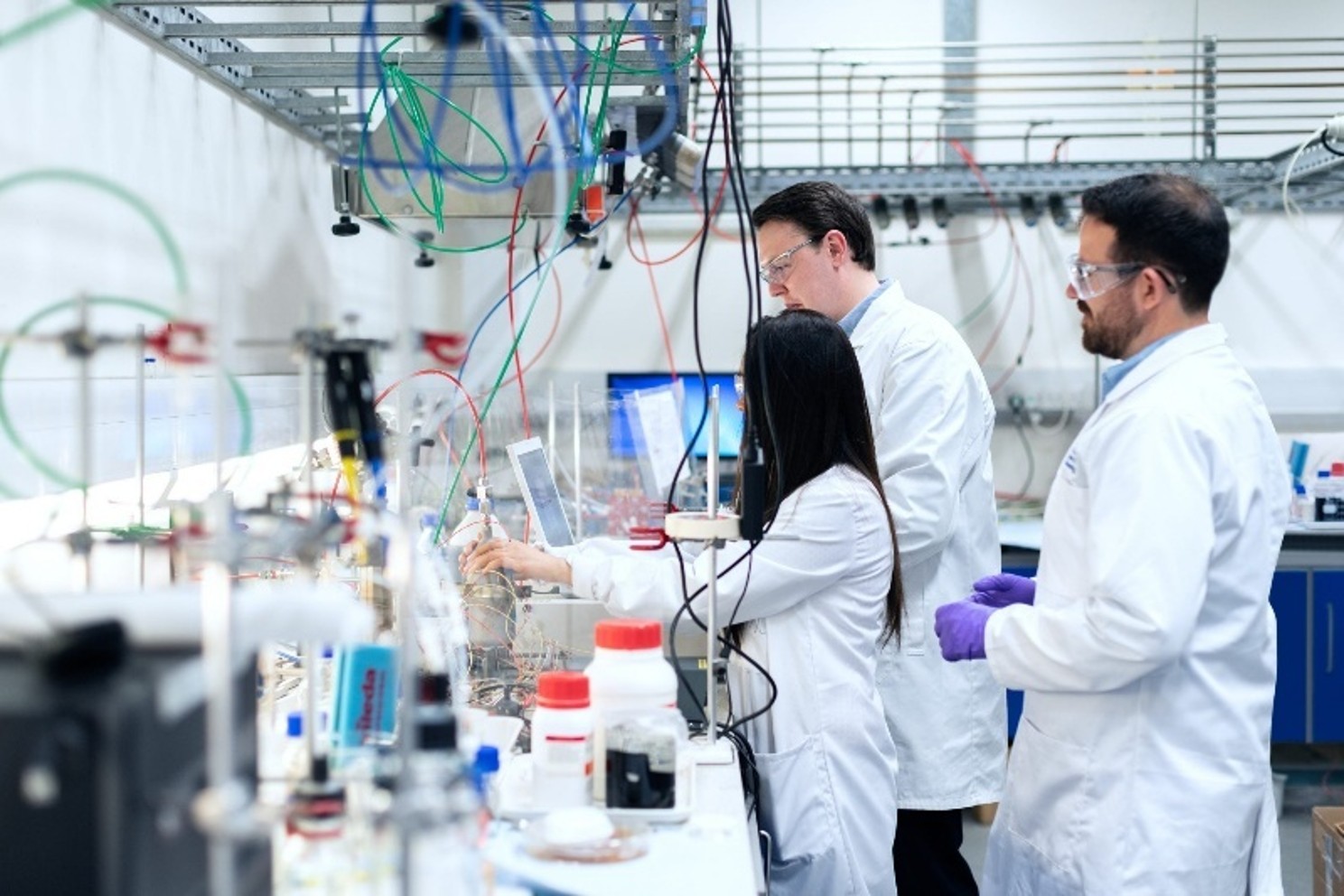
One alternative to mouse-based research that UNC SRP Center employs is in silico methods such as machine learning algorithms and artificial intelligence (AI), also known as new approach methodologies (NAMs). For example, the UNC SRP Data Management and Analysis Core (DMAC) coordinated with a research team led by Marc Serre, Ph.D., to use machine learning to predict arsenic and manganese levels in well water in Union County, North Carolina to inform targeted testing and well construction. However, because in silico methods are relatively new, researchers may need training to use these methods effectively. The UNC SRP DMAC developed the inTelligence And Machine lEarning (TAME) Toolkit to help train researchers on in silico methods. This toolkit, which promotes trainee-driven data generation, management, and analysis methods, has been accessed in over 131 countries since its launch in 2022.
Additionally, the Community Engagement Core (CEC) works with community partners to inform community members about arsenic risk and use participatory science approaches to facilitate well water sampling and identify treatment options. One CEC initiative is the Post-Helene Water Response (PoWR) collaboration with North Carolina State University SRP Center. The PoWR team is partnering with community leaders to respond to community concerns about drinking water quality after Hurricane Helene, which devastated western North Carolina in 2024. Using community-based participatory work, researchers will use pre- and post-hurricane drinking water analyses to report back to communities about organic, inorganic, and microbial contaminants.
University of Southern California
PFAS are persistent, ubiquitous chemicals contaminating more than 3,000 sites across the U.S., including at least 245 Superfund sites. PFAS exposure can lead to several adverse health outcomes. The Southern California Superfund Research and Training Program for PFAS Assessment, Remediation and Prevention Center (ShARP) is the first SRP Center to study the effects of PFAS specifically on liver heath. ShARP researchers also develop technologies to detect and remove PFAS from water and partner with communities to promote exposure prevention strategies.
To understand how PFAS affect the liver, ShARP researchers led by Lucy Golden-Mason, Ph.D., use human 3D liver spheroid models, which closely mimic the liver’s natural environment. The team found that PFAS affect lipid accumulation in the liver by inhibiting lipid transport and driving transcriptomic and epigenetic changes at the cellular level. The findings were also sex- and compound specific, as PFOS more strongly affected males and were more carcinogenic than PFOA, which more strongly affected females.
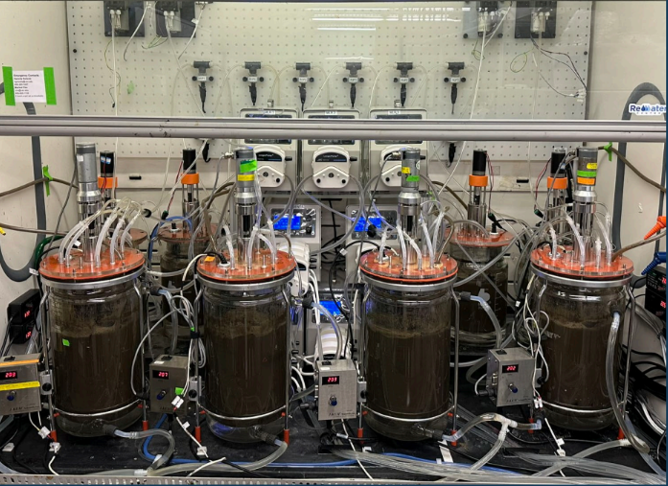
Led by Center Directors Vaia Lida Chatzi, Ph.D., ShARP researchers also leverage longitudinal studies, which collect data from the same participants over extended periods of time, to investigate the long-term health effects of PFAS. The researchers incorporated machine learning into an evaluation of the effects of several different PFAS on liver inflammation and metabolic dysfunction-associated steatotic liver (MASLD). They found that PFHpA exposure was associated with an 80% higher risk of MASLD. In another study, scientists analyzed data from two separate longitudinal cohorts to identify factors that may increase risk of MASLD in youth. They found that higher plasma levels of specific PFAS, like PFOA and PFHpA, and smoking were associated with increased risk of MASLD in young adults.
Beyond liver health, ShARP researchers are also developing novel techniques to characterize PFAS in water, soil, and air, and are building predictive groundwater models to track how PFAS plumes move through contaminated Superfund sites during groundwater recharge. To address contamination directly, the center is advancing microbial, chemical, and thermal defluorination processes aimed at more definitive PFAS treatment, with aims to help water systems meet new proposed standards for PFAS in drinking water.
ShARP's Community Engagement Core works closely with community partners to spread awareness about PFAS exposures and health risks. The center has partnered with “promotoras,” or local community health workers, to lead workshops on PFAS and gather feedback on center-created science communication materials. Through Student Health Awareness for PFAS and the Environment (SHAPE), a youth participatory research action framework, ShARP also works directly with students to co-design workshops and surveys that assess community knowledge of PFAS.
Baylor College of Medicine
In Harris County, Texas, the preterm birth rate is 12.1%, which is above the national average of 9.6%. Researchers at the Baylor College of Medicine-Rice University (BCM-Rice) Superfund Research Program (SRP) Center, led by Bhagavatula Moorthy, Ph.D., are investigating how polycyclic aromatic hydrocarbons (PAHs) and other Superfund site contaminants increase the risk of preterm birth and other neonatal morbidities, like bronchopulmonary dysplasia, a chronic lung disease that can affect infants born too soon.
PAHs are a group of chemicals that form after burning oil, coal, or gas. To detect PAHs with greater precision, scientists led by Naomi Halas, Ph.D., are developing ultra-sensitive methods that combine Surface-Enhanced Raman Spectroscopy (SERS) and Surface-Enhanced Infrared Absorption (SEIRA) with machine learning. These approaches amplify weak chemical signals from trace amounts of PAHs in environmental or biological samples then use machine learning algorithms to identify each chemical’s unique “fingerprint.” Applying this approach to human placenta samples, researchers found significantly higher levels of PAHs in the placentas of mothers who smoked during pregnancy compared with non-smokers, highlighting the potential for broader applications in clinical diagnostics and public health surveillance.
BCM-Rice scientists are also investigating the hypothesis that PAH exposure at Superfund sites is a major risk factor for preterm birth, and that resulting alterations to the placental epigenome help explain this connection. In an analysis of more than 300 placenta samples, a research team led by Melissa Suter, Ph.D., found that high levels of certain PAHs were elevated in placentas from pre-term births. Using a high-throughput protein profiling approach, researchers found that higher PAH levels are associated with changes in cell signaling pathways that closely mirror the molecular changes seen in preterm birth, offering a possible mechanistic explanation for the association.
A team led by Pedro Alvarez, Ph.D., is testing whether pyrolytic treatment, a heat-based remediation process, can reliably reduce PAH levels in contaminated soils while restoring soil fertility for ecosystem restoration. They found that certain metals like iron can reduce the temperature and energy required to use pyrolytic treatment to break down PAHs, and computational models helped explain why certain metals are more effective as catalysts than others.
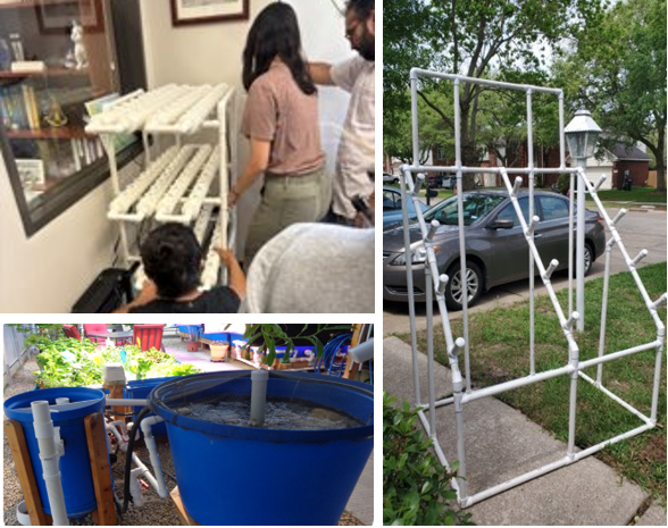
The Community Engagement Core is translating center research into strategies to reduce the public health burden of PAHs in affected communities. The Gardens for Reducing Exposures and Enhancing Nutrition - Hydroponics and Aquaculture for Urban Sustainability (GREEN HAUS) project engages underserved communities facing food insecurity or soil and water contamination, establishing aquaponics systems as a sustainable source of fish and produce while offering educational workshops that help communities build their own self-sustaining systems.
University of Arizona
While dust is often seen as inert, its composition can make it highly biologically and chemically active. In areas with a long history of mining, like Arizona, dust from mining operations can contain toxic metals, including arsenic and lead, as well as fungal spores. Indigenous communities in Arizona that live near active and legacy mining sites may constantly inhale hazardous dust, leading to an increased risk of lung disease.
Led by Xinxin Ding, Ph.D., the University of Arizona SRP DUST Center investigates how chronic exposure to mining dust may lead to disease and works to develop methods to prevent dust exposures for susceptible communities. Researchers are uncovering how the environment impacts the composition of mining dust, and how the different characteristics of dust can affect the body. In a study of mine tailings and surrounding soil, they found that as dust particulate matter (PM) size decreased, the levels of arsenic and lead in the dust increased. Additionally, dust from dry sites was finer with higher levels of toxic metals than at wet sites, indicating that moisture might be somewhat protective. However, the team also found that the type of arsenic found on dust at wet sites is more bioaccessible than the type of arsenic at dry sites. This means that, although wet site dust might have lower levels of arsenic, the body also more readily absorbs the arsenic on wet site dust.
Ding and Yin Chen, Ph.D., are investigating how mine dust affects the lungs. In lab studies, mice exposed to arsenic-containing dust had a higher risk of lung tissue disrepair and lung fibroids, a type of benign tumor. Additionally, mice exposed to dust with both arsenic and fungal spores were more likely to develop a fungal infection. However, not much is known about the mechanisms behind this increased fungal infection risk. The team is combining in vitro methods, mice studies, and multiomics integration and experimental validation to unravel how this co-exposure increases the risk of fungal infection and to identify possible biomarkers of lung disease for human risk assessments.
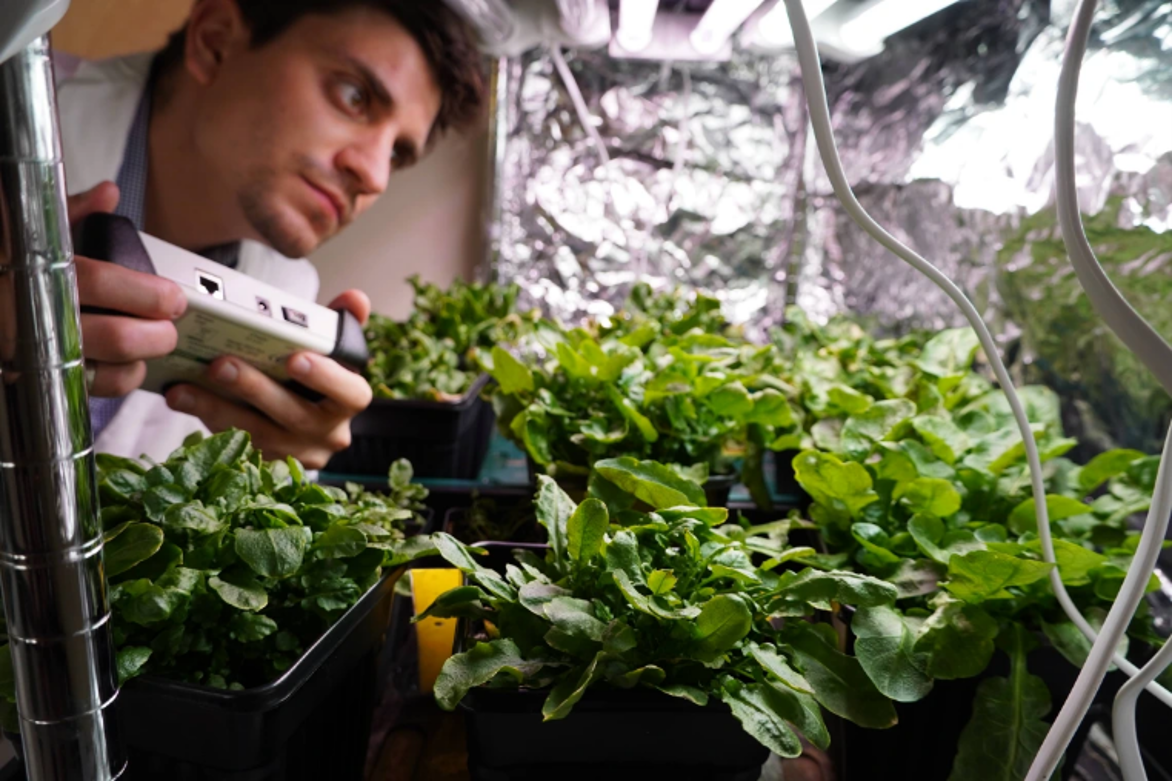
The combination of toxic metals and fungal spores in mining dust may explain why Indigenous adults living near mining sites have a higher prevalence of lung disease. To help protect Tribal communities, the Raina Mairer, Ph.D., and Jon Chrorover, Ph.D., are developing remediation approaches. One promising strategy uses rhamnolipids, a molecule composed of a sugar attached to a lipid, to extract toxic metals and rare earth metals from mine tailings and acid mine drainage. After being attached to hydrogel beads, rhamnolipids can selectively remove valuable minerals from mining waste. Scientists also use advanced drone-based mapping technologies to construct detailed maps of the landscape and assess which areas require remediation.
Community engagement is a central component of the DUST Center’s work. Through listening sessions, researchers collaborate with communities to understand local concerns and develop research that addresses community priorities. One example is the Gardenroots program in Cottonwood, Arizona, where residents expressed concern about the levels of toxic metals in reclaimed mining slag used in construction materials. Led by Monica Ramirez-Andreotta, Ph.D., they found that dust from reclaimed slag had lower levels of all toxic metals, except for lead, compared to raw slag. This data can help Cottonwood residents with community decision-making priorities to protect public health. The team also conducted listening sessions at the Black Mesa community and presented their findings to the Navajo Nation Resources and Development Committee, which led to a series of community discussions about PM monitoring. In addition, researchers have developed culturally informed educational materials and partnered with Indigenous student engagement programs to provide hands-on environmental health research opportunities for Indigenous scholars.
University of Iowa
Polychlorinated biphenyls (PCBs) are a group of 209 related compounds that have been linked to cancer and other harmful health effects, such as diabetes, liver disease, and immune, neurological, and respiratory issues. Commercial mixtures of PCBs, such as Aroclor 1254, were widely used in building materials. Although PCB production was banned in the U.S. in the late 1970s, these chemicals persist in the environment because they degrade very slowly. The University of Iowa SRP Center, led by Keri Hornbucke, Ph.D., is studying how PCBs move through the environment, how people are exposed to them, their health effects, and strategies for reducing those exposures.
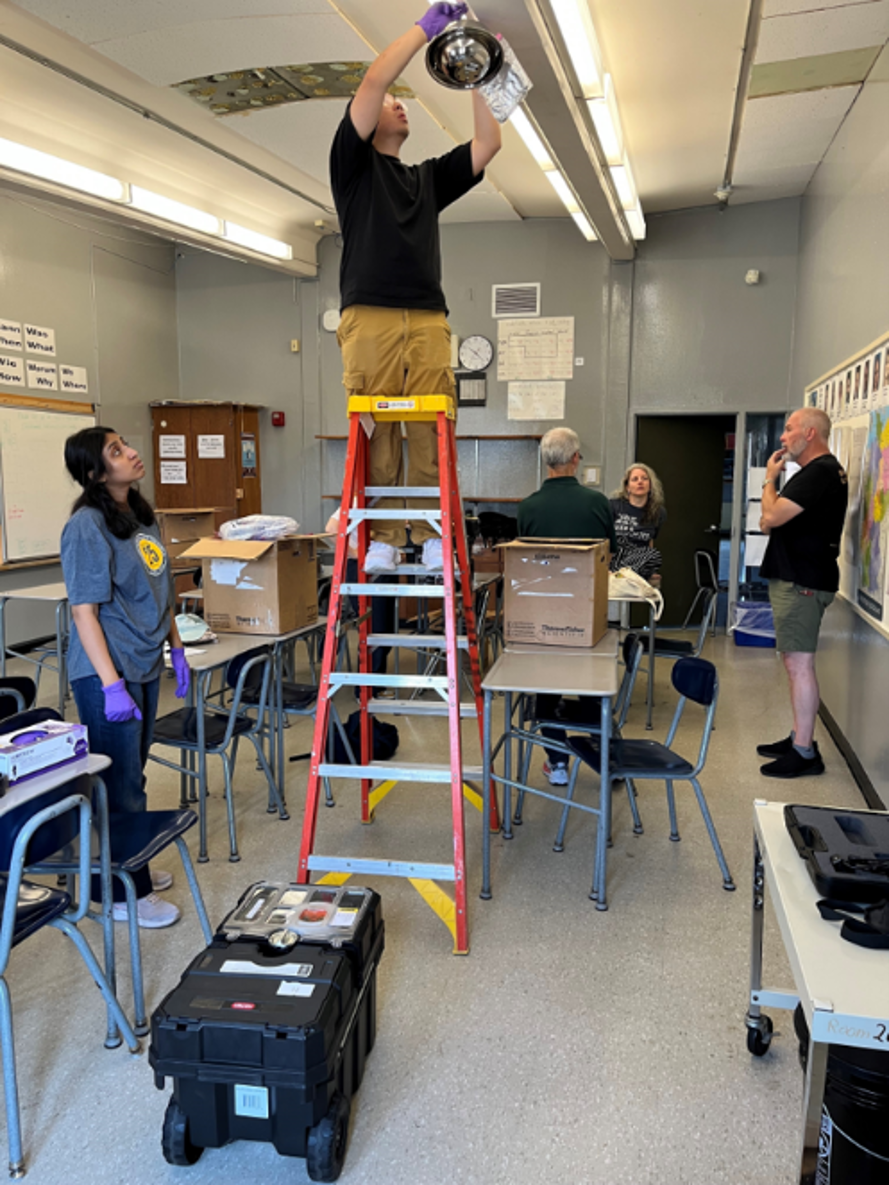
One of the center’s primary objectives is to investigate PCB emissions in schools constructed before 1980, where building materials containing PCBs continue to release these chemicals into indoor air. In partnership with the State of Vermont, researchers led by Hornbuckle are studying PCB sources in more than 100 schools. Their work has identified three major contributors to PCB emissions: fireproofing coatings applied to steel structural beams, joint sealants used between concrete sections, and the glazing materials in glass block windows that contain PCBs. By pinpointing the specific materials responsible for emissions, the research team aims to develop targeted, cost-effective remediation strategies that reduce harmful exposures. This approach focuses on removing or treating contaminated materials rather than undertaking the more costly and disruptive option of demolishing entire buildings.
Additionally, Andres Martinez, Ph.D., is investigating how environmental factors such as salinity, wave action, and dredging influence the movement of PCBs from sediments into air. They are conducting studies in the Portland Harbor Superfund Site in Oregon, working closely with the Portland Harbor Community Coalition. Their research aims to identify key sources of PCB emissions, characterize potential exposure pathways, and provide community members with actionable information to help protect public health.
Led by Hans-Joachim Lehmler, Ph.D., researchers are studying how PCBs and their metabolites affect human health, particularly neural development during childhood and adolescence. In zebrafish studies, they have found that certain PCB metabolites can be more toxic than their parent compounds, even at lower concentrations. Their studies have also shown that real-world PCB mixtures produce distinct toxicity profiles that cannot be accurately predicted by evaluating individual PCB compounds in isolation. Another group, led by Aloysius Klingelhutz, Ph.D., is examining the links between airborne PCB exposure and metabolic diseases, including obesity and diabetes. They have identified associations between exposure to Aroclor 1254 and chronic inflammation, a key biological process implicated in obesity, diabetes, and several types of cancer.
Simultaneously, Timothy Mattes, Ph.D., is developing strategies to remove PCBs from the environment. For example, they designed a remediation technology that uses biochar-based materials and PCB-degrading microorganisms to degrade PCBs more effectively and sustainably than conventional treatment methods.
to Top