



Superfund Research Program
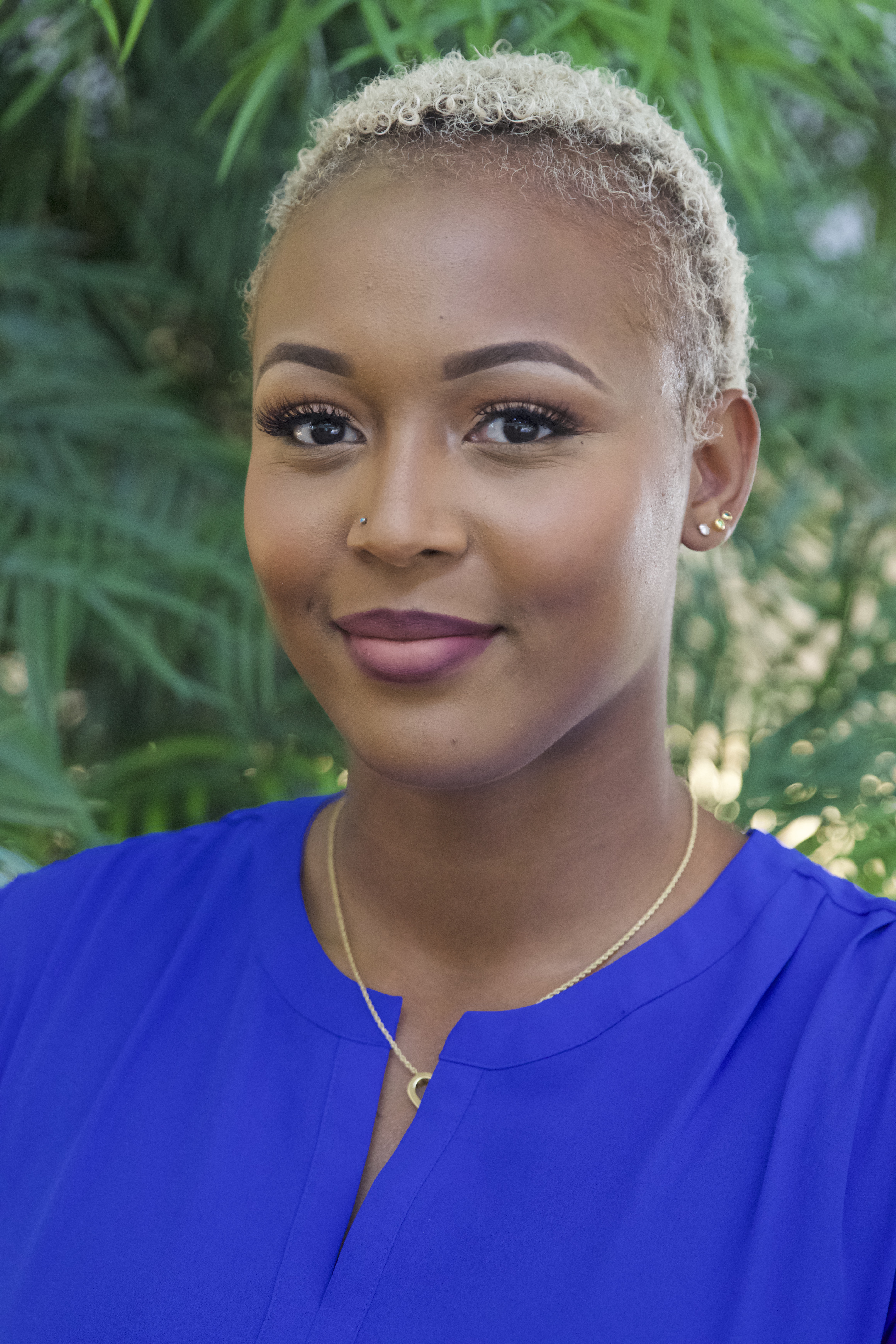
Robinson is a Ph.D. candidate at the University of Kentucky. (Photo courtesy of Ariel Robinson)
Ariel Robinson is the 28th recipient of the NIEHS Superfund Research Program (SRP) Karen Wetterhahn Memorial Award. This annual award recognizes one outstanding graduate or postdoctoral researcher who exhibits scientific excellence, mentorship, and service to the community. The award was presented to Robinson, a doctoral candidate at the University of Kentucky (UK) SRP Center, at the SRP Annual Meeting in Portland, Oregon on October 27.
Robinson was recognized for her research developing screening tools that support risk reduction while protecting communities.
“I have deeply admired Karen Wetterhahn’s legacy as both a scientist and a champion for women in STEM,” Robinson explained. “This award is especially meaningful because the opportunities created by scientists like Dr. Wetterhahn helped make my own path into STEM possible.”
Developing Better Screening Tools
Robinson’s current work at the UK SRP Center focuses on developing screening methods and tools that identify locations with PFAS or other emerging contaminants exposure risk via vapor intrusion. Vapor intrusion is the movement of chemicals from contaminated groundwater or soil into air inside homes or other buildings.
By creating GIS mapping tools that identify where PFAS contaminants are likely to occur and refining vapor intrusion site screening to reduce uncertainty, her research is helping to prioritize locations with the greatest risk for cleanup.
For example, Robinson co-developed a PFAS prioritization model, which achieved 76% accuracy in identifying Kentucky public drinking water systems likely to contain detectable PFAS.
“I am very passionate about my research because it allows me to create practical solutions to environmental health challenges that can directly benefit communities affected by environmental contamination,” Robinson said.
Rooted in Community, Growing Future Scientists
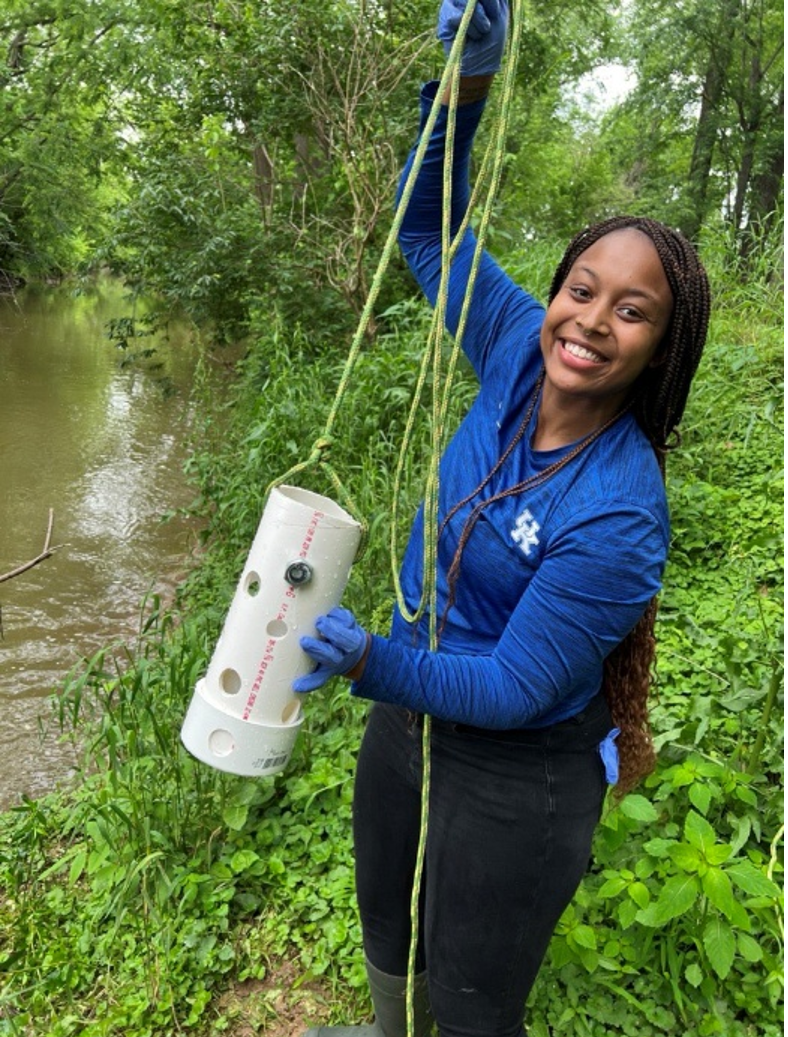
Robinson’s research is rooted in addressing community needs. “Every conversation brings new perspectives, questions, and opportunities to learn,” she said. “That constant exchange of knowledge motivates me and reminds me that the most impactful research is conducted with communities, not just for them.” (Photo courtesy of Ariel Robinson)
To accomplish this goal, Robinson has fostered relationships with local and state government officials and community members to ensure her work meets community needs while leveraging local expertise to enhance the impact of her research. For example, she has strong partnerships with members of the Kentucky Energy and Environment Cabinet as well as leaders in Henderson, a community affected by PFAS contamination.
“What excites me most about my work is that the process is not one-sided,” Robinson explained. “I learn just as much from community members and stakeholders as they learn from me. Building trust and creating opportunities for knowledge sharing has shown me the value of stakeholder-engaged research and the importance of ensuring that scientific solutions reflect community needs and experiences.”
In addition, Robinson is committed to inspiring and mentoring the next generation of scientists.
“I’m passionate about giving back to the community and exposing young, curious minds to science,” she said.
As engineering director for NERD Squad, Inc., a nonprofit STEM outreach program for adolescents, she developed a curriculum to introduce middle school students to watersheds, the water cycle, and the fate and transport of contaminants.
“This program was very important to me because I was able to use my engineering knowledge to curate experiences that sparked curiosity in young students who reminded me of myself, while also giving back to the community,” Robinson shared. “I hope to honor Dr. Wetterhahn’s legacy by opening doors for the next generation and encouraging students to see themselves as future scientists.”
Looking to the Future
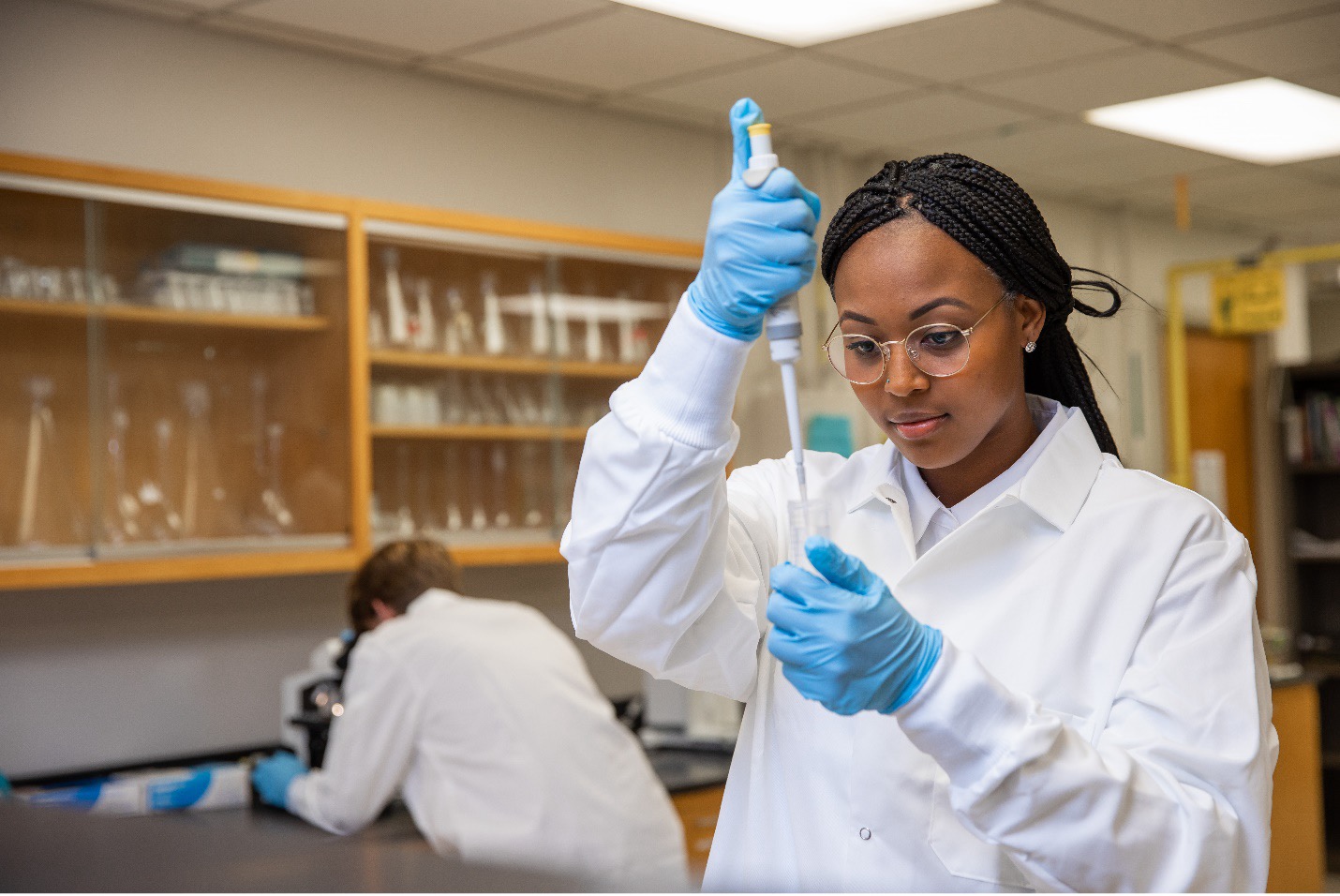
“I hope to continue Dr. Wetterhahn's commitment to mentorship while conducting research that advances environmental health,” said Robinson. (Photo courtesy of Ariel Robinson)
Robinson continues to refine her screening models to account for additional understudied factors. For example, in collaboration with Paul Tratnyek, Ph.D., of Oregon Health & Science University, and the UK SRP Data Management and Analysis Core, led by Hunter Moseley, Ph.D., she is working to create a comprehensive database of vapor pressure values and Henry’s Law Constants — properties with a significant impact on vapor intrusion estimates that are highly variable for PFAS — using peer-reviewed literature and major chemical databases.
“This project exemplifies the spirit of interdisciplinary collaboration championed by Dr. Karen Wetterhahn, bringing together engineers, environmental chemists, and data scientists to advance scientific understanding and drive practical solutions,” Robinson said. “I want to continue developing evidence-based approaches that improve public health while also mentoring the next generation of scientists, especially young women considering careers in STEM.”
“Ariel’s professionalism, collaboration, and deep commitment to scientific excellence have earned her the affectionate nickname ‘goal-digger’ within our research group,” said mentor and Center Director Kelly Pennell, Ph.D. “She also understands that moving science forward requires building relationships, broadening participation, and ensuring that research translates into actionable outcomes.”