




Reproductive & Developmental Biology Laboratory

Carmen J. Williams, M.D., Ph.D.
Research Summary
Carmen Williams, M.D., Ph.D., is Deputy Chief of the Reproductive and Developmental Biology Laboratory, and leads the Reproductive Medicine Group, and holds a secondary appointment in the NIEHS Epigenetics & RNA Biology Laboratory. Her group addresses the mission of NIEHS by carrying out basic research to promote our understanding of the effects of the environment on human reproductive health, particularly during sensitive developmental windows. Research in the group focuses on basic reproductive biology of early mammalian embryogenesis including gametes, fertilization, preimplantation embryo development, and implantation. This basic bench science addresses specific questions that have direct relevance to human reproduction, including how the environment influences reproductive success.
Mechanisms Underlying Effects of Environmental Chemical Exposures on Early Reproduction
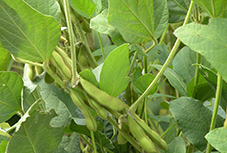
Naturally occurring phytoestrogens (estrogenic chemicals found in plants) are readily available in the diet, and many estrogenic chemicals are released into the environment. Depending on the dose and timing of exposure, these types of chemicals can have both beneficial and detrimental effects on health. We use a mouse model to study the effects on female reproductive health of neonatal exposure to estrogenic chemicals. Female mice exposed immediately after birth to estrogenic chemicals have multi-oocyte follicles, lack regular estrus cycles, and are completely infertile even after superovulation because of defects in how the oviduct and uterus function. We are currently examining the epigenetic molecular mechanisms underlying how estrogenic chemical exposure leads to these defects in the reproductive tract environment. This project has direct relevance to understanding how endocrine disrupting chemicals or other environmental factors can impact early reproductive events and potentially lead to reproductive failure in women.
Signal Transduction Mechanisms of Egg Activation and Preimplantation Embryo Development
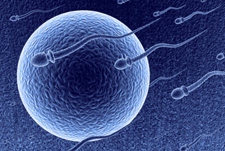
The transition of an unfertilized egg, which is arrested in metaphase of meiosis II, to a developing totipotent embryo, requires completion of a sequence of events known as egg activation. These events result in reprogramming of the maternal and paternal genomes into a single embryonic genome capable of directing development into a unique organism. Egg activation is initiated by repetitive oscillations in intracellular calcium. These oscillations begin after sperm-egg plasma membrane fusion when the sperm releases phospholipase C zeta into the egg cytoplasm. Continuation of these oscillations requires calcium entry into the egg from the extracellular medium to replenish calcium stores. Abnormalities in calcium oscillations are associated with abnormalities in embryo reprogramming and offspring health. We hypothesize that abnormal calcium oscillatory patterns at fertilization could explain a spectrum of failure for the infertile couple, including failed fertilization, poor preimplantation embryo development, and even clinical pregnancy followed by miscarriage.
Major Areas of Research
- Effects of the environment on gamete and embryo quality and reproductive tract function
- Mechanisms of egg activation and preimplantation embryo development
Current Projects
- Epigenetic mechanisms underlying effects of neonatal estrogenic chemical exposure on reproductive tract function
- Modulators of embryonic genome activation after fertilization
- Impact of calcium signaling on embryo reprogramming and offspring health
Williams received an M.D. from Duke University School of Medicine in 1986, then completed a Residency in Obstetrics & Gynecology at Pennsylvania Hospital in 1990 and a Fellowship in Reproductive Endocrinology & Infertility at the University of Pennsylvania in 1993. After her clinical training, she went on to complete a Ph.D. in Cell and Molecular Biology at the University of Pennsylvania in 1997 and subsequent postdoctoral fellowship training at Penn. She became an Assistant Professor of Obstetrics & Gynecology at the University of Pennsylvania in 2000, where she served as an attending physician in the Division of Reproductive Endocrinology & Infertility while running an active basic research laboratory in the Center for Research on Reproduction & Women’s Health. She moved to NIEHS in September 2007.
Software
- R-SCRIPTS (135KB)
This package contains an R script and an example file for quantifying calcium oscillations described in the manuscript Savy V, Stein P, Shi M, Williams CJ 2021 "Superovulation does not alter calcium oscillations following fertilization."