




-

SRP Notice of Funding Opportunity (NOFO)
The SRP is pleased to announce the release of the P42 Notice of Funding Opportunity (NOFO). The application due date is September 25, 2026. Please visit the SRP Funding Opportunities website for more information. SRP held a Funding Opportunity Webinar on June 3, 2026, 1-2:30 PM ET. The archive is now available to view.
-

Five SRP Trainees Win K.C. Donnelly Awards
SRP awarded five trainees with K.C. Donnelly Externships to expand their research skills and learn from mentors outside of their home institutions. The awards brought graduate students and postdoctoral researchers from SRP-funded institutions to other SRP centers to learn new scientific methods and apply their skills in different collaborative research contexts.
-

NIH Grants & Funding: Implementation of New Initiatives and Policies
NIH has released an Implementation of New Initiatives and Policies webpage where you can learn more about the status of changes impacting the grants process and plans for implementing new initiatives and policies.
-

Photo of the Month
University of Arizona SRP Center trainee Tomasz Wlodarczyk studies new approaches for identifying metal-accumulating plants and monitoring plant responses to metals across laboratory and ecosystem scales. (Photo courtesy of the University of Arizona).
-

Trainee Spotlight: Tracking Toxic Contaminants in Drinking Water
Nicolette Bugher, Ph.D., is a recent graduate and postdoctoral researcher at the Massachusetts Institute of Technology SRP Center. Her research focuses on improving how scientists detect, quantify, and characterize N-nitrosamines, a class of potentially carcinogenic compounds found in drinking water supplies.
-

Research Brief 377: Zebrafish Model Reveals PCB Byproducts Trigger Developmental Toxicity
The breakdown products of polychlorinated biphenyls (PCBs) are more toxic to early development than the original chemicals themselves, according to scientists funded by the NIEHS Superfund Research Program (SRP). The team, led by Nicole Breese, Ph.D., a postdoctoral researcher at the University of Iowa SRP Center, discovered that, as PCBs are metabolized in the body, they trigger unique neurobehavioral and structural abnormalities.
-

Superfund Research Program Science Digest
Check out the August 2026 issue of the SRP Science Digest, which features the latest updates from six multi-project centers funded by SRP in 2025. SRP Centers investigate how environmental exposures affect human health, design strategies to reduce exposures, and identify opportunities to protect health by bringing together researchers from different fields.
-

Register for the SRP Annual Meeting!
Registration is now open for the 2026 SRP Annual Meeting which will be held in Portland, Oregon October 26 - 28. The meeting schedule will be finalized soon. Please register and book your hotel accommodations at your earliest convenience.
-

Bite-Sized Science
At the 18th International Congress on Combustion Byproducts and Human Health, NIEHS-funded scientists highlighted important research to understand exposures and health effects of fires near urban areas, which can produce harmful byproducts when building and other hazardous materials burn. They discussed the effects of wildfires, emerging and co-occurring hazards, and future research avenues to protect human health. Read the summary: https://pubs.acs.org/doi/full/10.1021/envhealth.5c00246
The NIEHS Superfund Research Program (SRP) supports research at universities and small businesses to solve complex environmental health problems, reduce hazardous contaminant cleanup costs, decrease exposure to contaminants, and improve human health.

About SRP
SRP provides evidenced-based practical, scientific solutions to protect health, the environment, and communities. Learn more about SRP’s structure, history and mandates, and program contact information.
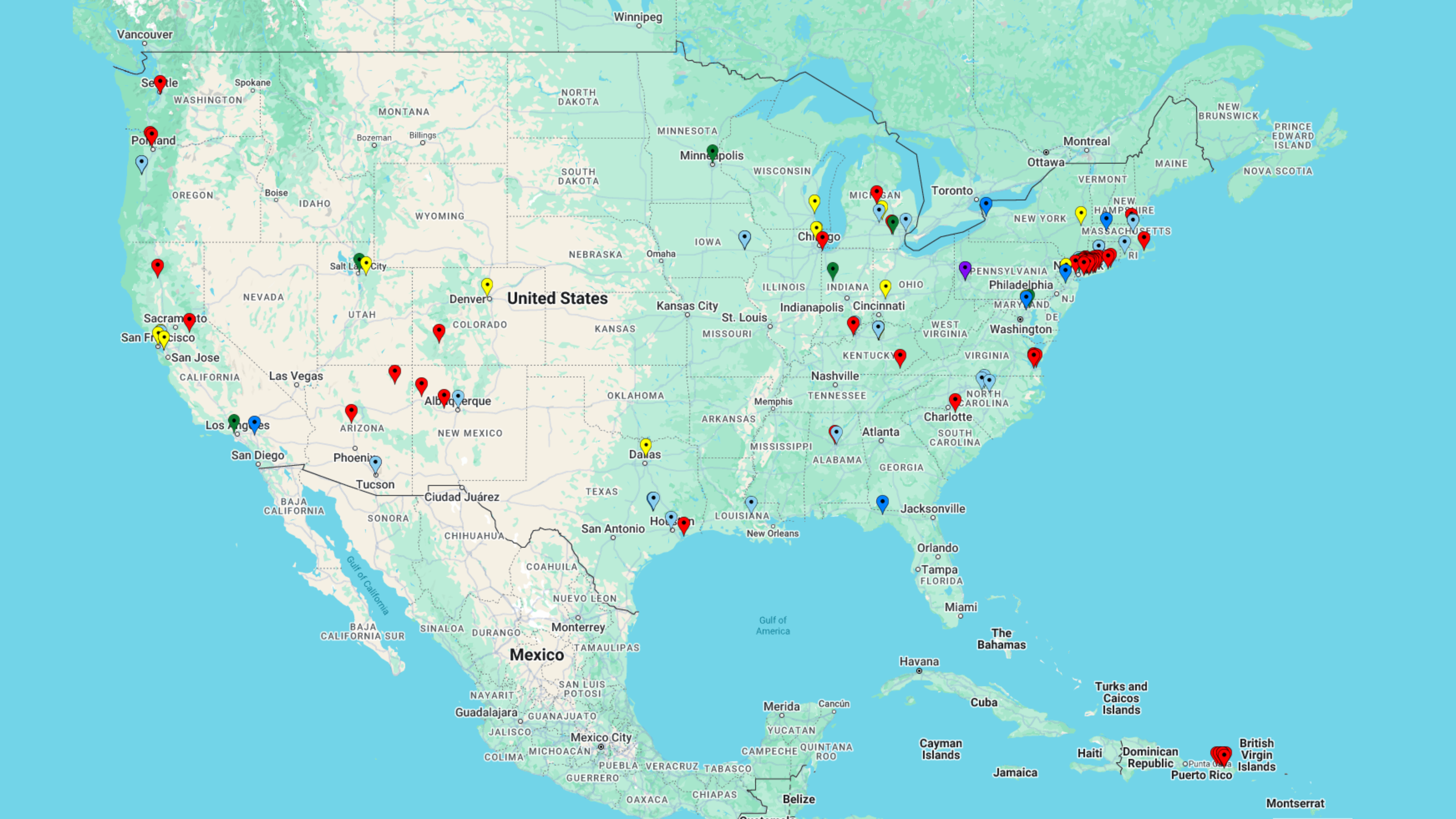
About SRP-Funded Research: Who, What, Where
SRP funds research grants across the country to reveal what people are exposed to and how exposures affect health, strategies to reduce exposures, and how to prevent disease.

SRP News & Highlights
SRP communicates scientific progress and accomplishments, awards, and more through news stories, public health impact stories, research briefs, and the science digest.
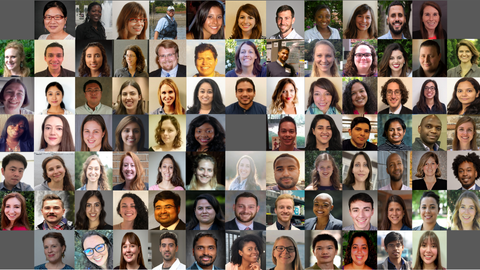
Trainee Highlights
A key emphasis of SRP is training the next generation of scientific leaders. Check out the latest trainee accomplishments and awards.

Webinars and Events
Meetings, seminars, and workshops allow grant recipients to share and exchange scientific knowledge. Explore past and upcoming events.

SRP Funding Opportunities
Learn about current and upcoming funding opportunities offered by SRP.