More than 500 postbaccalaureate and postdoctoral fellows showcased their achievements during the National Institutes of Health (NIH) Research Festival on Sept. 9. But only 23 of them could say they drove nearly 300 miles to get there.
The NIEHS fellows journeyed from Research Triangle Park in North Carolina to Bethesda, Maryland, to present the findings of their latest scientific studies. During four poster sessions, they joined fellows representing labs and clinics across NIH, including one NIEHS fellow working at the Bethesda campus.
NIEHS — with its emphasis on identifying environmental factors driving health and disease with an eye toward prevention — is one of 27 Institutes and Centers that comprise NIH.
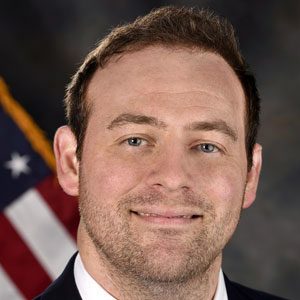
“It was a great showing by our trainees,” said NIEHS Scientific Director Darryl Zeldin, M.D., who traveled to the festival in support of the trainees.
He added that the number of individuals who presented was particularly impressive, given the size of the institute. NIEHS ranks in the middle in terms of institute size and budget.
The topics presented by trainees from the Division of Intramural Research and the Division of Translational Toxicology demonstrated the breadth of research conducted by fellows and their mentors at NIEHS. Fellows presented posters that displayed scientific focus areas ranging from cell biology and computational biology to neuroscience, epidemiology, and clinical research.
“In previous years, NIEHS fellows participated in the NIH Research Festival virtually,” explained Mercedes Arana, Ph.D., who directs the Office of Fellows’ Career Development. “We were excited that Dr. Zeldin and Dr. Patisaul provided fellows with an opportunity to present their work in person, and, for some, it was their first visit to the main NIH campus.”
View the slideshow below to learn more about some of the fellows’ exciting findings. All poster presentations — sorted by presenter last name and topic area — are available at the NIH Research Festival website.
(Caroline Stetler is Editor-in-Chief of the Environmental Factor, produced monthly by the NIEHS Office of Communications and Public Liaison.)
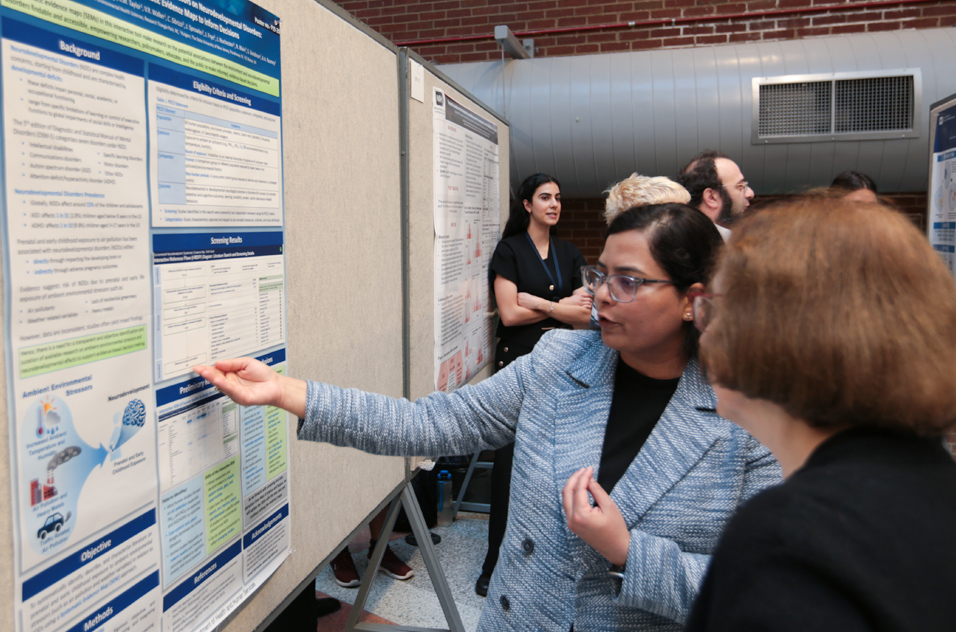 Anisha Singh, Ph.D., a postdoctoral visiting fellow, explains her project to Lisa Rider, M.D., a senior clinician who leads the Environmental Autoimmunity Group. Singh identified and characterized evidence showing links between ambient environmental stressors and neurodevelopmental disorders. (Photo courtesy of Brandon Levy / NIH)
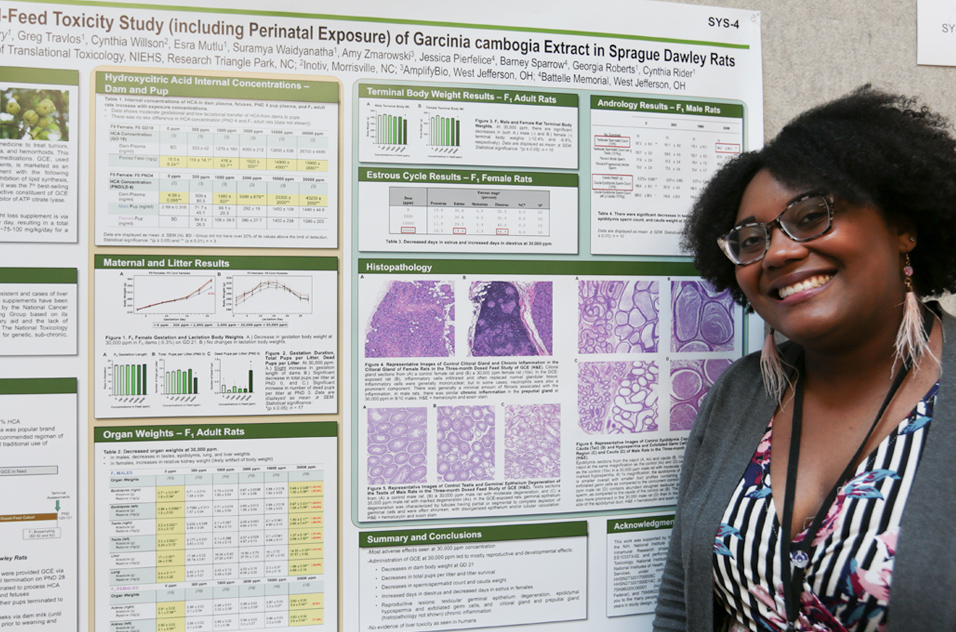 Zakiyah Henry, Ph.D., an Intramural Research Training Award (IRTA) postdoctoral fellow, presented her study to evaluate the toxicity of an ingredient in a botanical weight loss supplement. The study in rats was designed to mimic human exposure. (Photo courtesy of Brandon Levy / NIH)
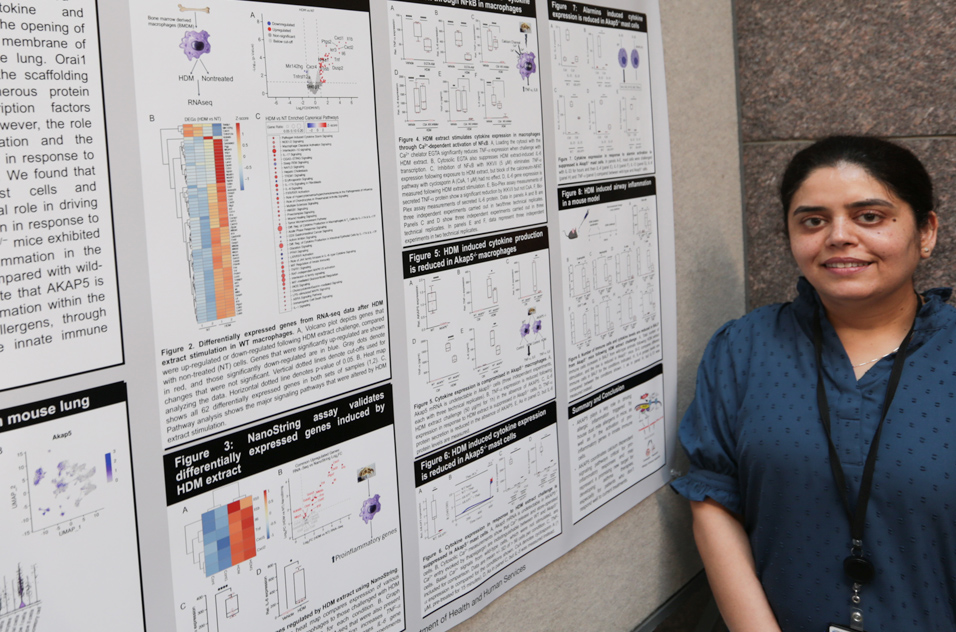 Visiting Fellow Suneet Kaur, Ph.D., shared data showing that the protein AKAP5 coordinates airway inflammation and the innate immune response to airborne allergens. Asthma often develops following inhalation of allergens, such as house dust mites. (Photo courtesy of Brandon Levy / NIH)
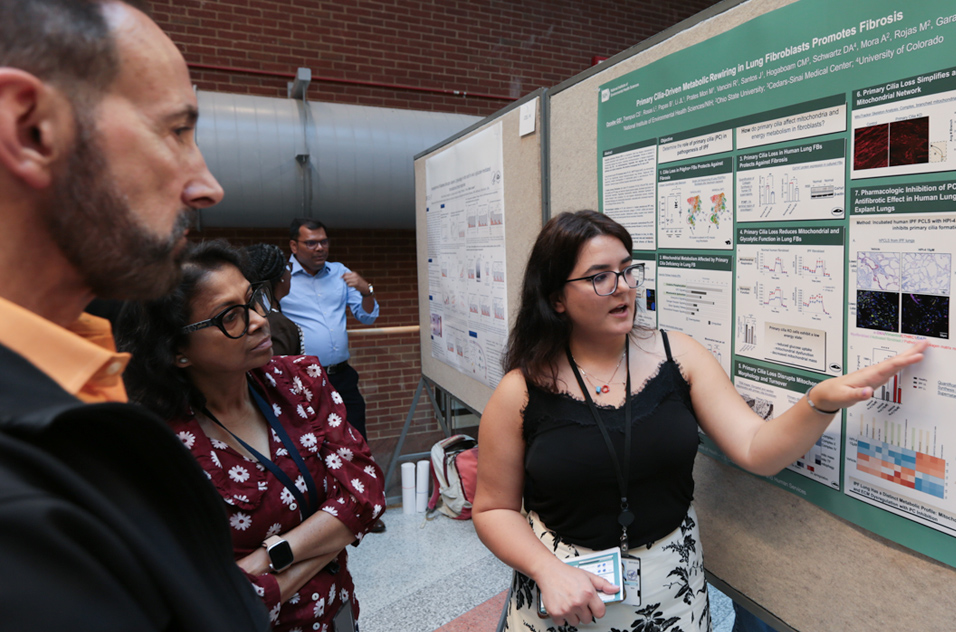 IRTA Postdoctoral Fellow Gulberk Ozcebe, Ph.D., right, explains her project to NIEHS Scientific Director Darryl Zeldin, M.D., left. Ozcebe found primary cilia, which are organelles that regulate key signaling pathways, drive fibrosis, or scarring, in the fatal lung disease called idiopathic pulmonary fibrosis. (Photo courtesy of Brandon Levy / NIH)
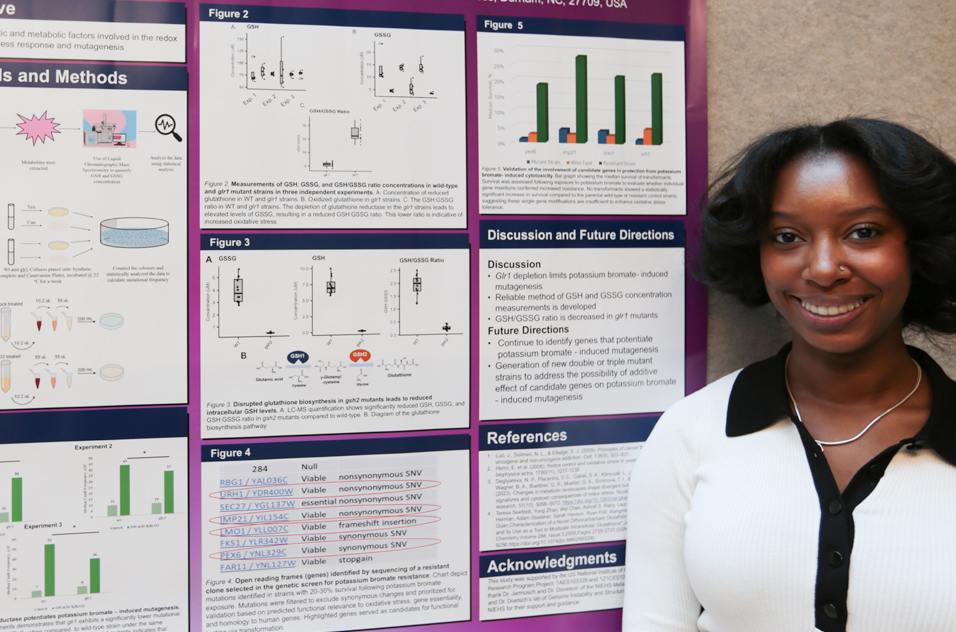 Avril Powell, a postbaccalaureate fellow, presented her project to investigate the genetic and metabolic drivers of mutations resulting from potassium bromate exposure. Potassium bromate is a key ingredient in breadmaking and hair straightening products. (Photo courtesy of Brandon Levy / NIH)
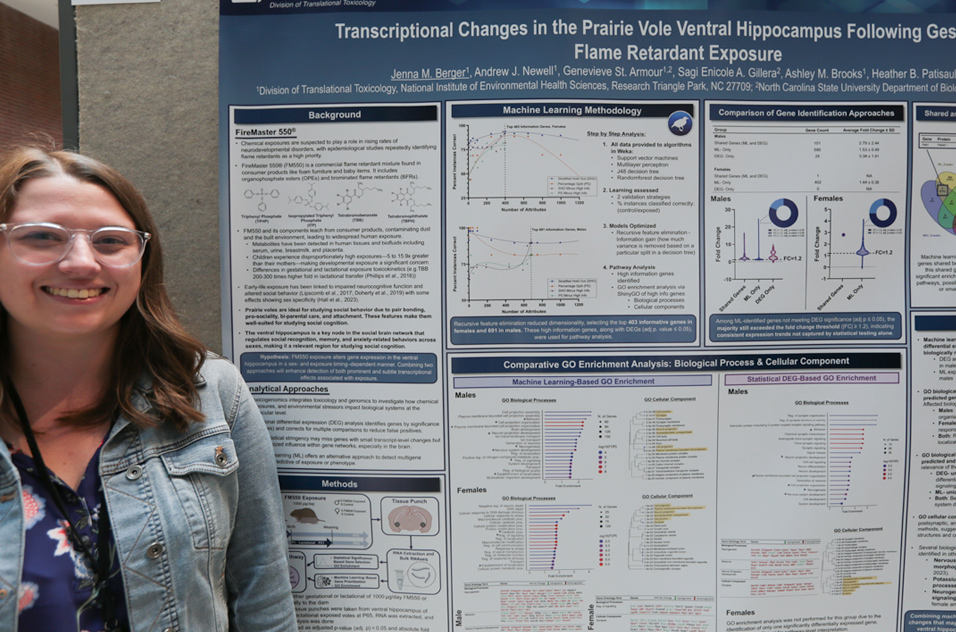 IRTA Postdoctoral Fellow Jenna Berger, Ph.D., shared research in an animal model showing exposure to flame retardants used in foam-based furniture and baby products induces gene expression changes in a region of the brain responsible for social and anxiety-related behaviors. (Photo courtesy of Brandon Levy / NIH)
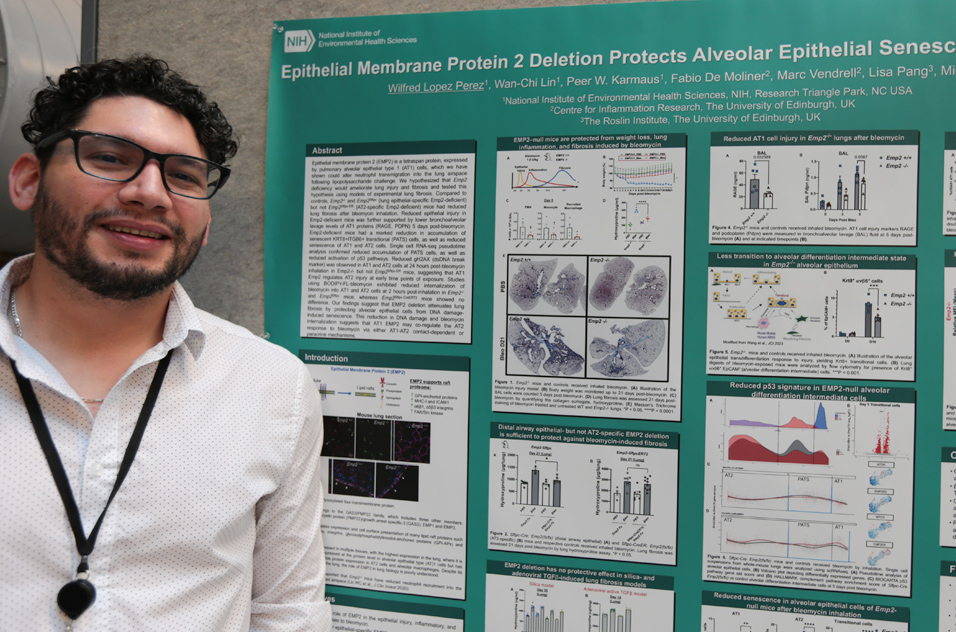 Wilfred Lopez Perez, Ph.D., an IRTA postdoctoral fellow, described how a protein called epithelial membrane protein 2 may be involved in the cellular response to environmental lung injury. Understanding the protein’s role may open the door to new treatments. (Photo courtesy of Brandon Levy / NIH)
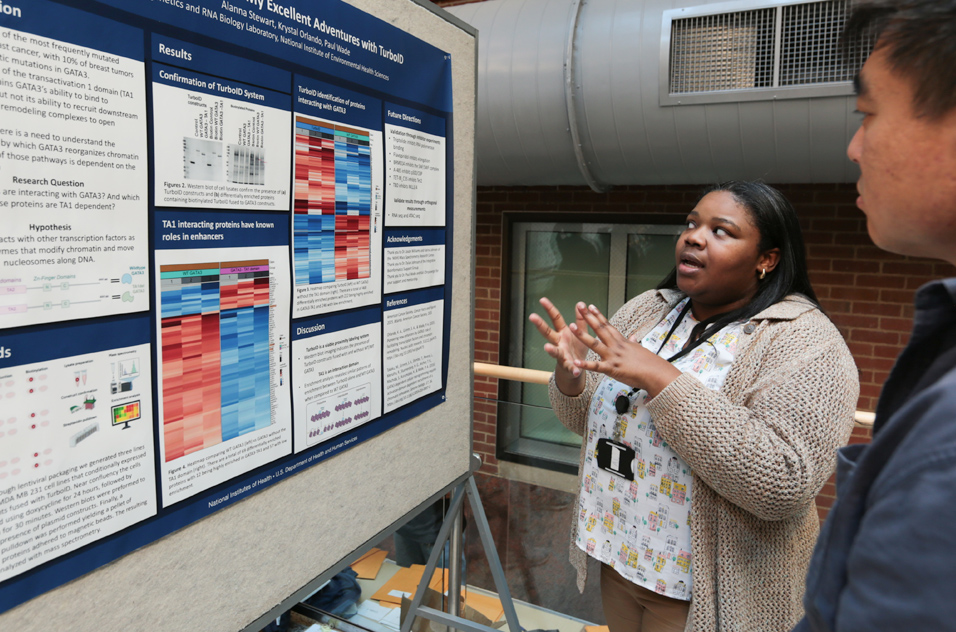 IRTA Postbaccalaureate Fellow Alanna Stewart shared insights into potential therapeutic targets and disease markers related to GATA3, one of the most frequently mutated genes in breast cancer. (Photo courtesy of Brandon Levy / NIH)
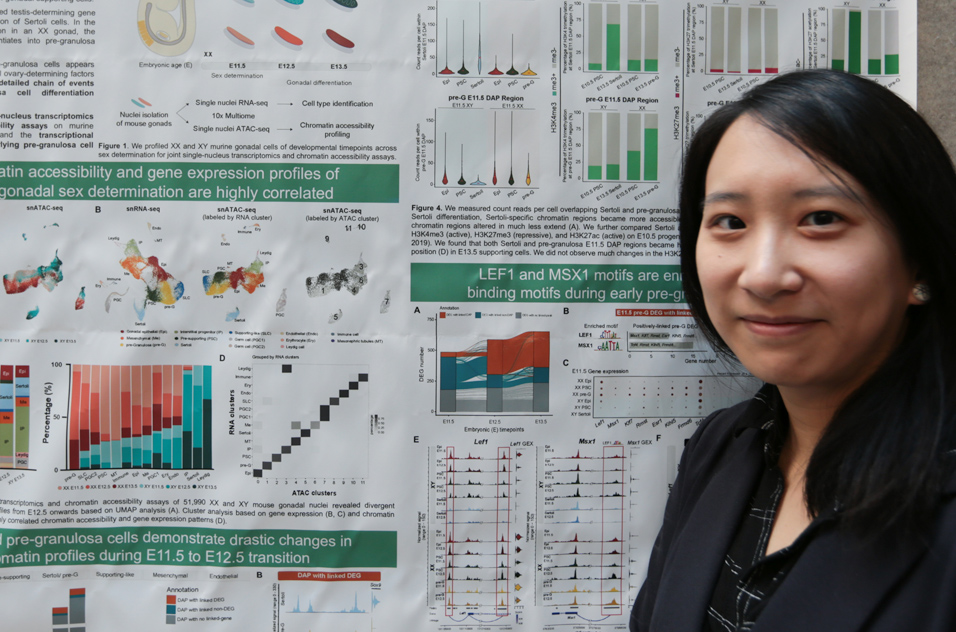 Visiting Postdoctoral Fellow Yu-Ying Chen, Ph.D., described the gene regulatory framework underlying cell sex differentiation and her team’s work to develop the first joint transcriptome and chromatin accessibility dataset of murine gonadal cells. (Photo courtesy of Brandon Levy / NIH)